
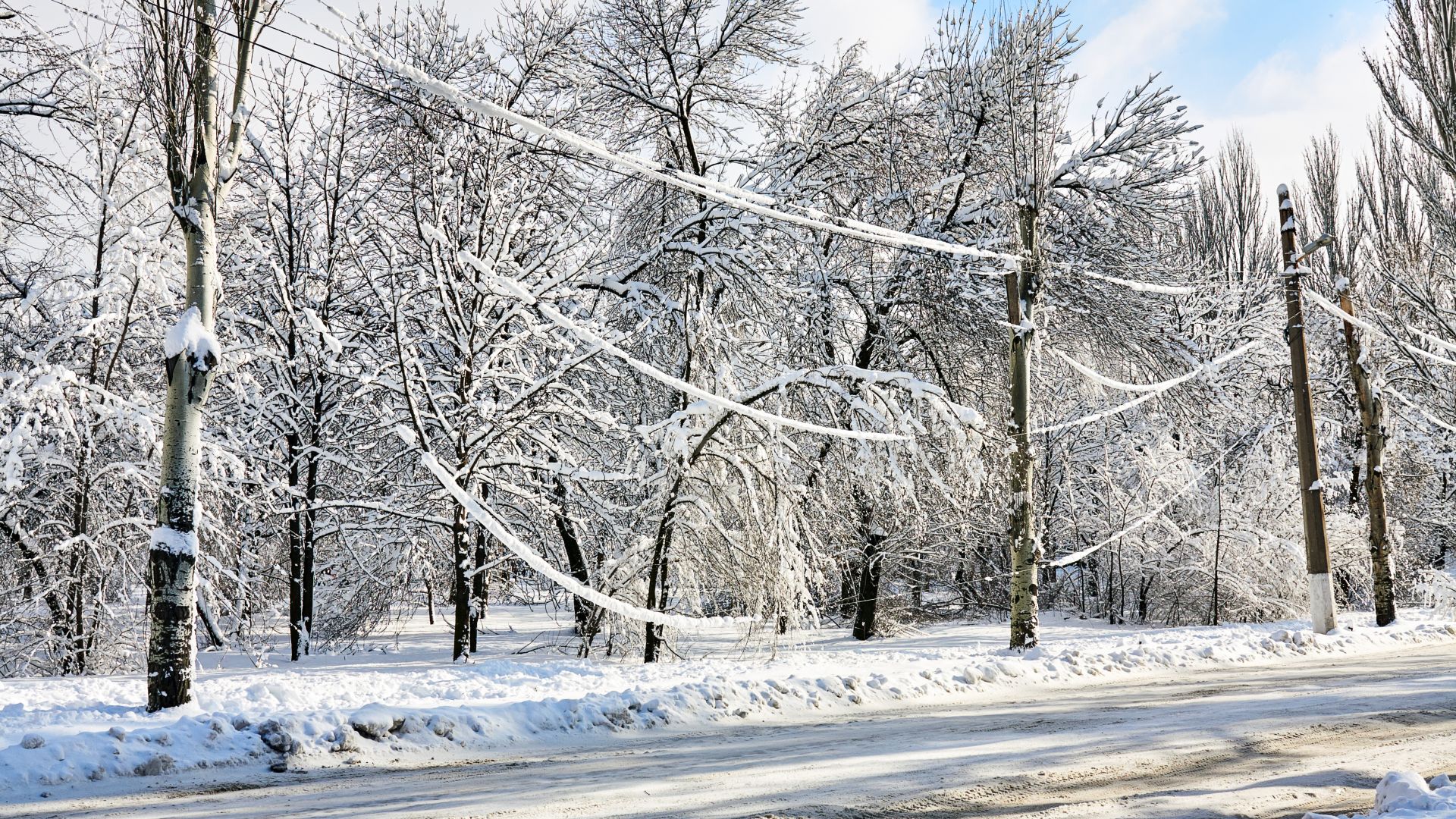
As we're preparing for Winter Storm Fern and the potential for snow, ice and some very cold temperatures across the Southeast, we're sharing these resources to help you monitor for outages and other reliability issues.
- 511GA for road conditions
- Georgia EMC outage map (updated every 15 minutes)
- Georgia Power outage map
- Georgia Power winter storm preparation
- Constellation winter storm preparation
- National Weather Service
- Poweroutage.us: Checks for power outages across the country. You can click on individual states and get county-by-county breakdowns
- GridStatus: Phenomenal resource with all the RTO's as a dashboard
- SPP: Quick real time displays for wind forecasts/generation, generation penetration, and LMP
- MISO markets
- MISO operations: includes wind/solar forecasts, imports/exports, but also most importantly, generation outages
- EIA Grid Monitor: Hourly grid data for each balancing authority in the US. Shows generation by resource type, imports/exports from regions, etc.
- Winter Storm Elliott: An independent review of Southern Company's performance during the historic events of December 22-25, 2022
The Georgia Emergency Management & Homeland Security Agency's Winter Weather page includes lots of helpful information, including things like:
- A storm can occur when family members are in different places, so develop a family communications plan.
- Make a Ready kit for at least three days of self-sufficiency.
- Familiarize yourself with the terms that are used to identify winter weather.
- Keep space heater safety in mind: Use electric space heaters with automatic shut-off switches and non-glowing elements. Remember to keep all heat sources at least three feet away from furniture and drapes.
- Prepare your home:
- Make sure your home is well insulated and that you have weather stripping around your doors and window sills to keep the warm air inside.
- Make sure you have a working carbon monoxide detector.
- If you have a wood burning fireplace, consider storing wood to keep you warm if winter weather knocks out your heat. Also, make sure you have your chimney cleaned and inspected every year.
- Have at least one of the following heat sources in case the power goes out:
- Extra blankets, sleeping bags and warm winter coats
- Fireplace or wood-burning stove with plenty of dry firewood, or a gas log fireplace
- Kerosene heater, with proper ventilation
- Prepare your vehicle:
- Fully winterize your vehicle: Have a mechanic check antifreeze, brakes, heater and defroster, tires, and windshield wipers to ensure they are in good shape. Keep your gas tank at least half full.
- Keep an extra Ready kit in the trunk of your car. In addition to the basic essentials, consider adding a portable cell phone charger, ice scraper, extra blanket, sand for traction and jumper cables.
- Make sure you have a cell phone with an emergency charging option (car, solar, hand crank, etc.) in case of a power failure
- People who depend on electricity to operate medical equipment should have alternate arrangements in place in case power is out for an extended period of time.
- Plan to check on elderly/disabled relatives and neighbors.
- Plan to bring pets inside.
- Know where the manual release lever of your electric garage door opener is located and how to operate it in case you lose power.
- Fill a gallon container with water and place them in the freezer to help keep food cold.
Natural gas utilities have offered the following tips to stay warm and safe during a winter storm, including:
- Clear snow and ice around outdoor vents, meters, and flues to prevent blockages. Use a broom, not a shovel, to gently remove snow around gas equipment and avoid causing damage.
- Check proper ventilation in enclosed spaces and never use gas ovens or stovetops as a primary heat source.
- Install carbon monoxide detectors in key areas of your home and test the batteries regularly. If you suspect carbon monoxide exposure (headache, dizziness, nausea), leave your home immediately and call emergency services.
- Prepare an emergency kit with essentials such as blankets, flashlights, non-perishable food, and necessary medications.
- Watch for gas leaks and familiarize yourself with the smell of natural gas (similar to rotten eggs). If you detect this odor, avoid using electronic devices, including phones or light switches. Leave the area on foot immediately and call 911 from a safe location.
For more winter weather safety tips, visit summitutilities.com/safety/natural-gas-safety.
And finally, the Athens-Clarke County Unified Government posted the following Winter Water Tips to their page:
1. Before Cold Weather Sets In - most of what you can do to protect your plumbing from winter weather is preventative:
- Shut off and drain any outdoor hoses, sprinklers, and irrigation systems before temperatures plummet.
- Wrap your pipes in insulation or pipe sleeves
- Find your main water valve and ensure you can turn it off. Your water main might be in your basement or under a metal cover in your yard near the street.
- Close off crawl spaces, seal any holes, and ensure all the pipes in your home are protected from outside air.
2. When Freezing Temps Arrive - protect your pipes by keeping them warm and keeping water moving through them:
- Open cabinet and vanity doors to ensure your pipes are the same temperature as the interior of the house
- Set your home's thermostat at 55 degrees F or higher
- Let a small trickle run from your faucet - moving water can't freeze in one place.
3. If Your Pipes Freeze - if water freezes in your pipes there might still be something you can do to protect them:
- Immediately shut off the main water valve to your home.*
- Slowly thaw pipes with a blow dryer or a small space heater. Never warm pipes with an open flame.
- After the water in the pipe is thawed, slowly turn the water back on and carefully inspect your pipes and joints for leaks.
Other notable sources:
Utility/RTO twitter accounts
RTO apps (ERCOT, MISO, PJM, SPP)
Individual utility power outage maps/apps


