
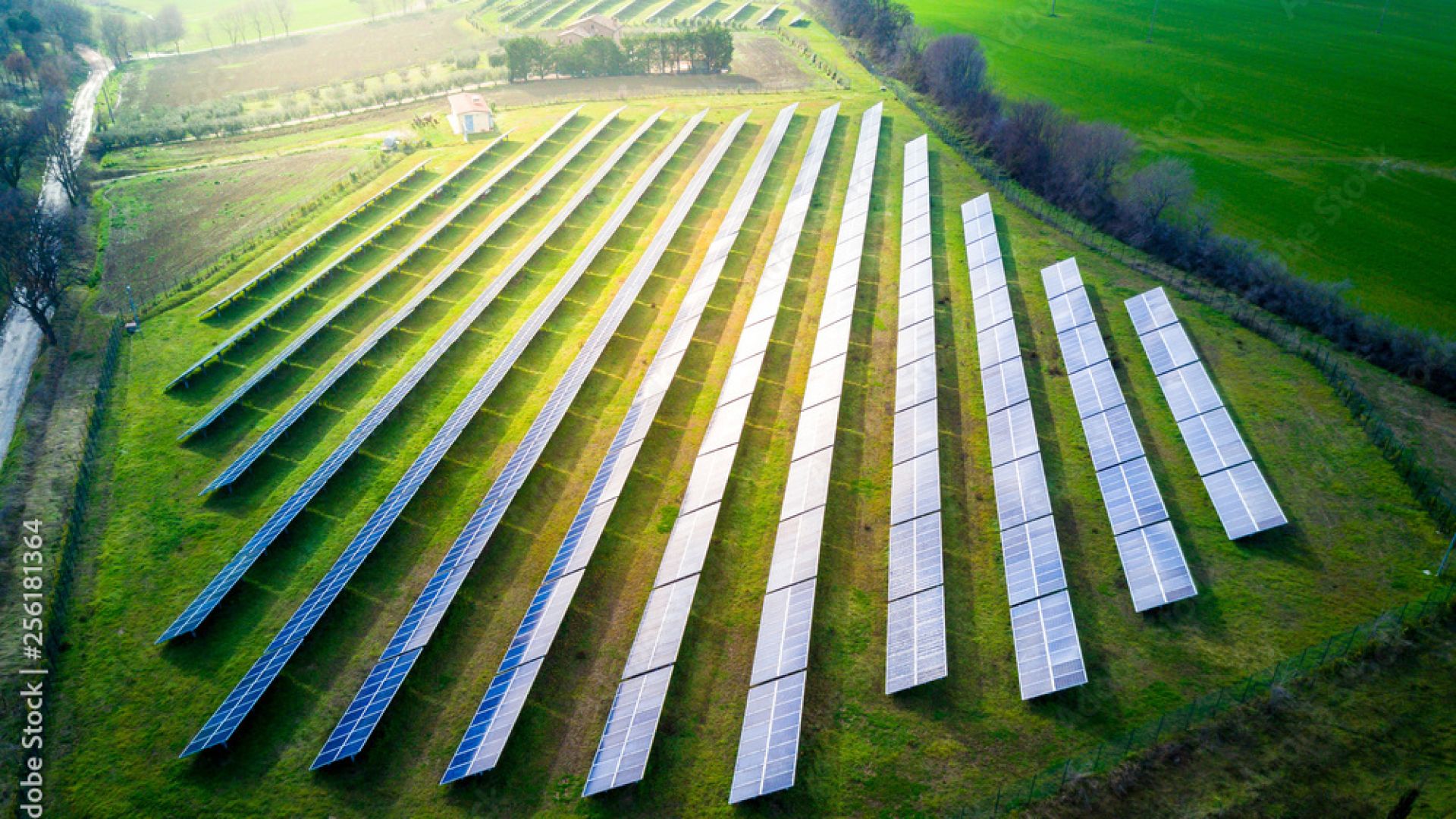
In July 2022, the Georgia Public Service Commission (PSC) directed Georgia Power to procure 2,100 megawatts (MW) of renewable energy resources through its Integrated Resource Plan (IRP). One year later, Georgia Power responded with the 2023 Clean and Renewable Energy Subscription (CARES) Request for Proposals (RFP), seeking 2,875 MW— exceeding the PSC’s target by including 1,250 MW which were rolled forward from a previously unfulfilled RFP.
Fast forward to 2025, and the results are disappointing. Georgia Power is now seeking PSC approval for just 1,068 MW from six projects — less than 40% of the RFP target. This marks yet another underperforming solicitation, continuing a years-long trend of unfilled renewable energy RFPs in Georgia.
According to the filing, “The average cost of the Utility Scale Renewable PPAs over 31 years is approximately 5.4 cents per kilowatt hour.”
A Pattern of Underperformance
The 2023 CARES RFP attracted bids totaling 6.4 GW, yet only 1,068 MW were selected. This reflects significant developer attrition and disinterest, despite over 18 GW of solar and solar-plus-storage capacity sitting in the Southern Company interconnection queue at the time. Almost two-thirds of megawatts in the queue didn’t bother to submit a bid. Many developers chose not to bid — or couldn’t — due to persistent structural problems in the solicitation process.
Georgia Power’s own RFP certification filing points to the underlying issues. A “majority of the Competitive Tier bids” were “at risk” due to long-lead transmission constraints. The company acknowledged that its own grid inadequacies rendered competitive projects infeasible without costly, uncertain upgrades — costs that developers were expected to bear. Those costs were not disclosed until very late in the RFP process putting bidders into an untenable position: either swallow the high transmission costs, or forgo a contract and potentially millions of dollars invested.
To avoid outright RFP failure, Georgia Power created a short-term, non-firm transmission workaround. It also permitted refreshed bids and revised contract terms to secure developer participation. All five winning bidders signed updated PPAs following these late-stage adjustments. Had these flexibilities been offered up front, it’s likely the RFP would have received stronger participation and potentially yielded better results.
Missed Opportunities, Ongoing Risks
These reactive fixes illustrate a fundamental flaw: Georgia’s renewable energy RFPs are structured in ways that deter, rather than attract, investment. Developers face opaque transmission costs, rigid timelines, inflexible contracts, and federal policy uncertainty—all with little assurance that the investment of time and capital in bidding will pay off.
For example, the current 2025 CARES RFP defers project start dates to 2029, even though Georgia Power’s own data shows power needs emerging by 2027. This mismatch ignores the state’s accelerating economic growth and urgent reliability needs. Meanwhile, developers are expected to commit pricing and performance by August 1, 2025 —without knowing whether federal tax incentives will still be available post-2028.
The bid process also requires tens of thousands of dollars in fees upfront, further discouraging participation when terms are ambiguous or infeasible. And while the RFP allows for public comment, there is no requirement that Georgia Power adopt stakeholder recommendations — even when they are widely supported.
A Path Forward
The window for course correcting in the 2025 CARES RFP is narrow. Final RFP language is expected by June 19, with PSC review on July 1 and bids due just one month later. SREA and its members have submitted detailed comments identifying concrete improvements—many drawn directly from past challenges.
Georgia cannot afford another failed RFP. With rapid industrial growth, rising load forecasts, and federal investment at stake, the state needs a process that works. A robust, transparent, and fair RFP can attract the investment needed to secure affordable, reliable power for the long term. The time to act is now.
SREA is actively working with its members and decisionmakers to address the persistent challenges facing renewable energy procurement in Georgia. Through detailed analysis, regulatory engagement, and constructive dialogue, SREA is advocating for practical solutions that improve RFP design, reduce development risk, and support Georgia’s energy reliability and economic growth. To access SREA’s full analysis and participate in shaping these outcomes, contact us about membership opportunities.


